Blog · 5 min read
A cleaning checklist for businesses: daily, weekly and monthly tasks
A ready-made checklist by frequency for an office, shop, restaurant or building — what is cleaned, when and with what, plus how to tell whether it's working.
When cleaning at a business isn't written down, it depends on the memory and goodwill of whoever does it. Some tasks get done every day, others "when there's time", and others are forgotten until someone notices dust on a windowsill or a stain under the fridge.
A checklist solves this. It says what is cleaned, when and how often — clear for the staff, checkable for the manager and useful in a contract with an outside company. In this article you'll find a ready-made checklist by frequency to adapt for your office, shop, restaurant or building.
How to use this checklist
- Review the tasks and remove the ones that don't apply to your site.
- Add the specific ones — machines, display cases, children's corners.
- Decide who is responsible for each group of tasks.
- Print it out and put it somewhere visible — in the supplies store room or the staff room.
- Record completion — with a signature or a tick. That way you can see what's been missed.
Every day
Floors
- Sweep or vacuum the entrance, corridors and busy areas
- Mop the entrance, corridors, kitchen and toilets
- Clean spills and stains straight away
- Shake out or dry the mats as needed
Toilets
- Clean the toilet bowls and basins
- Mop the floor with separate tools
- Restock toilet paper, paper hand towels and soap
- Empty the bins
Kitchen and coffee area
- Wipe the worktops and tables
- Clean the sink
- Mop the floor
- Take out the rubbish and change the bag
General
- Empty the bins in all rooms
- Wipe door handles and frequently touched surfaces
- Check for supplies that have run out
Every week
Floors
- Wet-clean the work areas and less busy zones
- Clean the corners and along the skirting
- Clean under furniture that's easy to move
- Deep-clean the mats
Surfaces
- Dust shelves, windowsills and cabinets
- Clean mirrors and the glass in doors
- Wipe light switches and sockets
Tools
- Wash the mops and cloths
- Clean and dry the buckets
- Check the mops for wear
Every month
- Clean the windows on the inside
- Clean under heavy furniture and appliances — fridge, coffee machine
- Clean the ventilation grilles
- Clean the grout in the toilets and kitchen
- Take stock of supplies and place an order
Seasonally or as needed
- Clean the windows on the outside
- Deep-clean the floors with a machine
- Wash curtains and textiles
- Deep-clean the store room and technical rooms
- Prepare for winter — mats, stock of cleaners. More in the article on winter.
What to use for what
A checklist works better when it's also clear what each thing is cleaned with.
| Task | What you use |
|---|---|
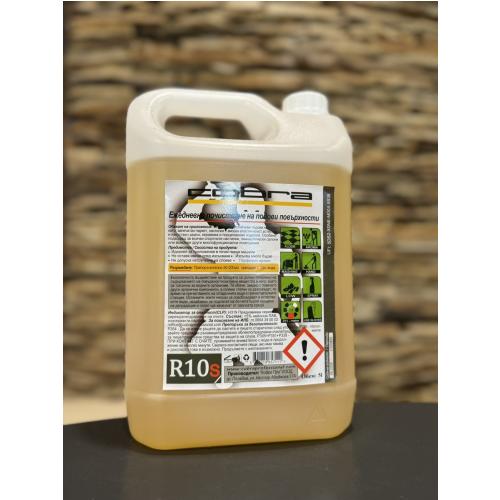
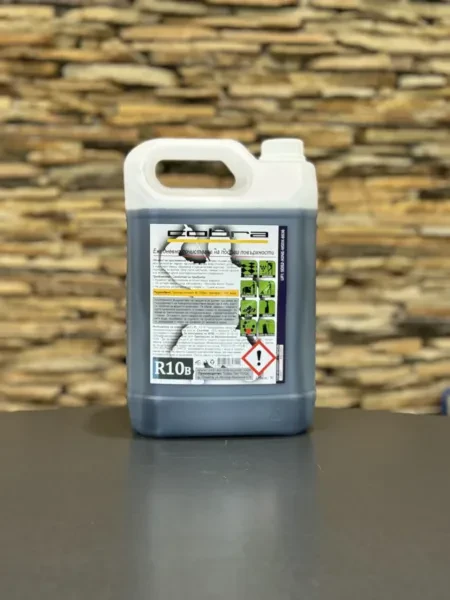
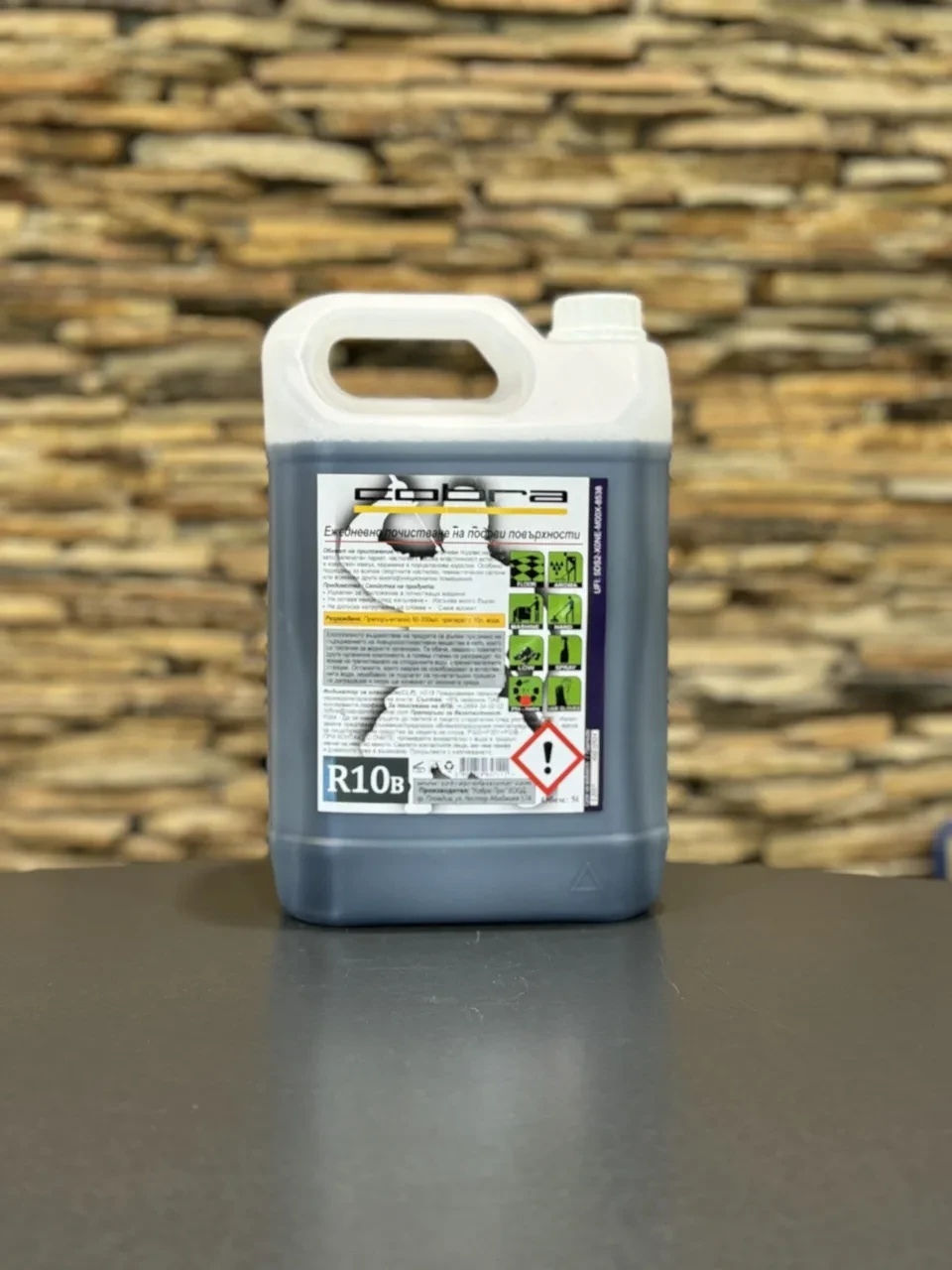
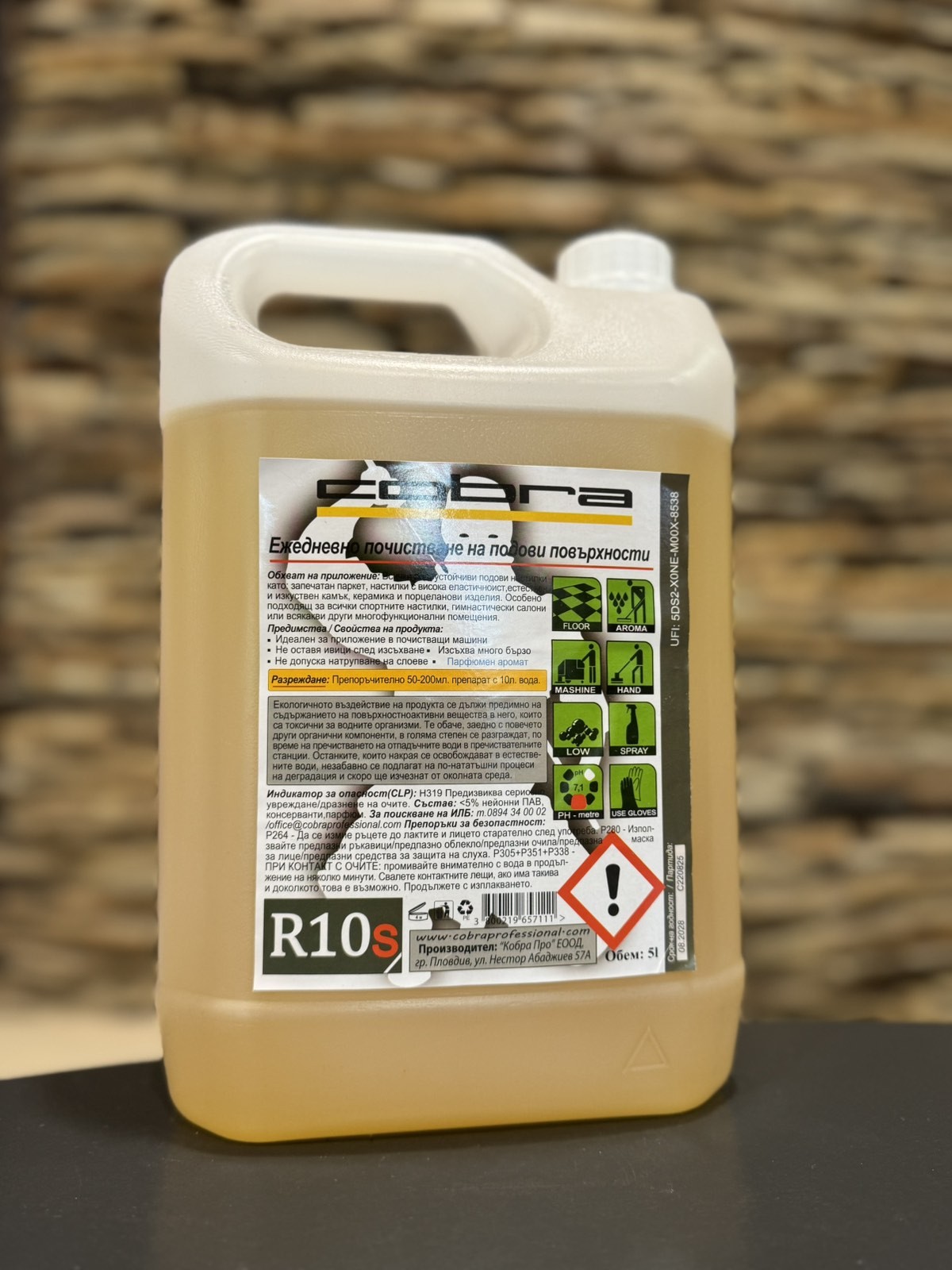
| Mopping hard floors | general-purpose floor cleaner — for example Cobra with luxury fragrance or Cobra Perfume |
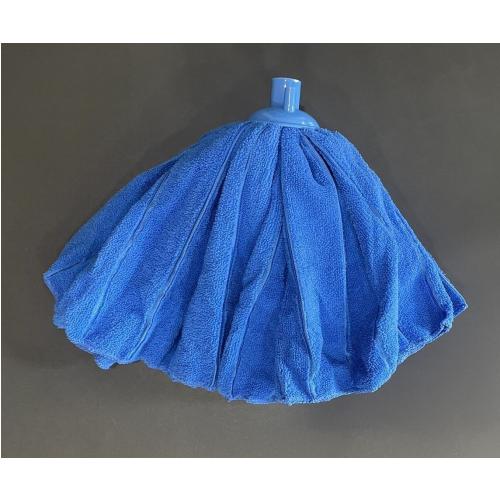
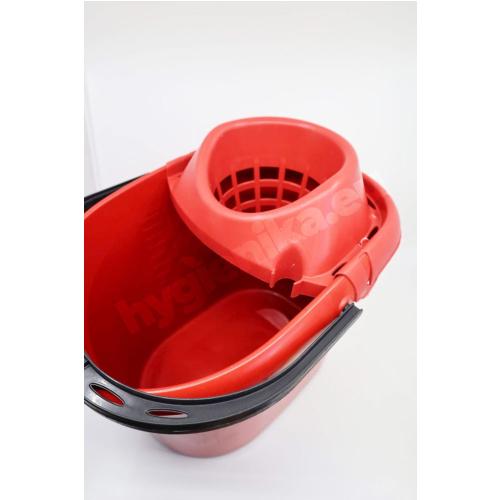
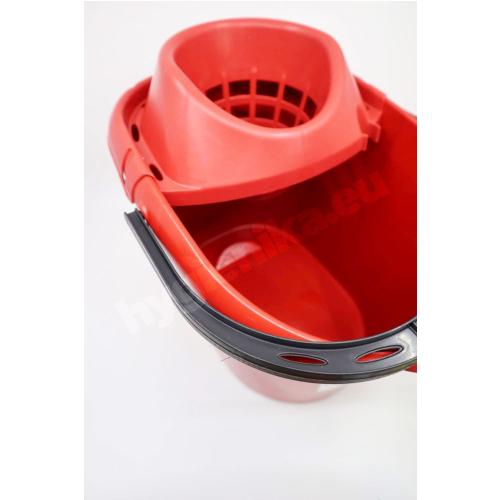
| Mop | microfibre mop + bucket with wringer |
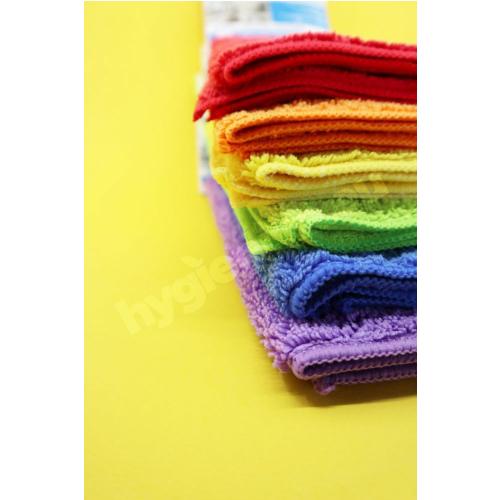
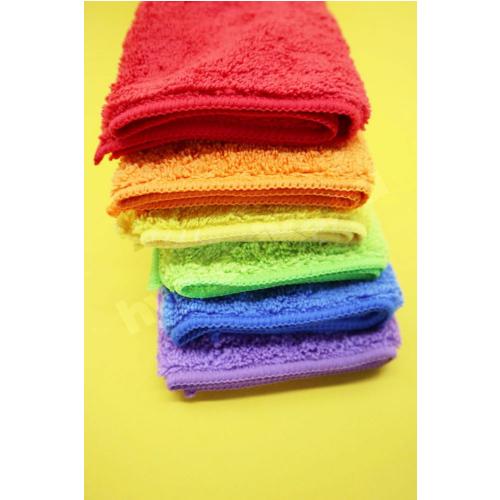
| Surfaces and windowsills | microfibre cloth |
| Glass and mirrors | microfibre glass cloth |
| Toilets | separate cloths and mop for the toilets only |
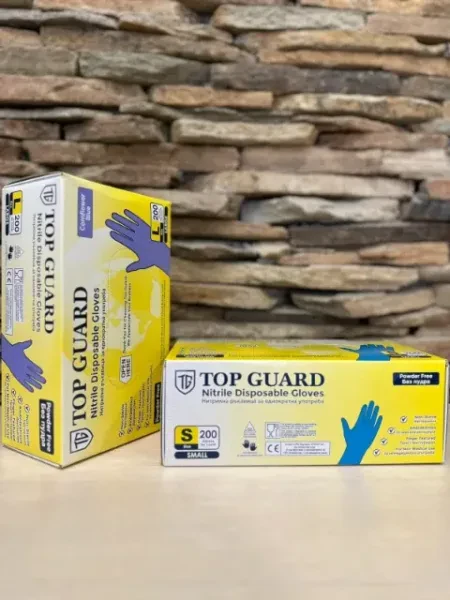
| Hand protection | nitrile gloves |
Separate tools for the toilets are a must — don't carry cloths and mops from the washrooms into other rooms. It helps to tell them apart by colour.
How to tell if the checklist is working
After two or three weeks, look at:
- Which tasks are regularly missed? Perhaps they're unclear or there's no time for them — redistribute them.
- Are there recurring complaints? For example a sticky floor or an unpleasant smell — they usually point to a specific problem. A sticky floor is almost always from overdosing, more in the article on floor-mopping mistakes.
- Do supplies run out unexpectedly? Then the weekly check needs to become daily, or set up a regular delivery.
How to introduce the checklist without resistance
A new checklist is sometimes taken as a sign of mistrust towards the people who clean. A few things help it be seen as support rather than control:
- Make it together. Ask the staff what they clean and how long it takes. They know the site better than anyone and will tell you which tasks are missing.
- Start small. Daily tasks first; after a week or two add the weekly and monthly ones.
- Explain why. The checklist protects the cleaner too — when something is ticked off as done, there's no argument about whether it was.
- Give praise. When the sheet is filled in and the site looks good, say so.
A checklist is most useful when it's a living document — it changes with the site rather than hanging forgotten on the wall.
The checklist and an outside company
If cleaning is contracted to a company, the checklist is the best basis for the contract. It states clearly what's expected and how often, and gives both sides a yardstick. Without it, "cleaning the office" means different things to different people.
Supplies
A checklist is useless if the store room has nothing to do it with. Set a minimum stock of every consumable and a regular delivery. For businesses we offer negotiated prices and scheduled deliveries — get in touch. We show how to calculate monthly cleaner consumption in the article on planning consumption.
In short
- Divide tasks by frequency: daily, weekly, monthly, seasonal.
- Decide who's responsible and record completion.
- State what each thing is cleaned with.
- Separate tools for the toilets.
- Review the checklist after a few weeks and adjust it.
Frequently asked questions
How detailed should the checklist be?
Detailed enough that it's clear what's done, but not so detailed nobody reads it. One page by frequency is usually enough for a small or medium-sized site.
Should completion be signed off?
In sites with more staff or an outside company — yes, at least for the daily tasks in the toilets and kitchen. That way you can see when and by whom something was done.
How do I adapt the checklist for a kindergarten or a restaurant?
Add the specific zones and requirements — for childcare settings see the article on kindergartens, and for restaurants the article on restaurants and cafés.
Who should check completion?
Someone who doesn't do the cleaning themselves — the site manager, the office manager or the building manager. The check isn't a punishment; it's there to catch gaps in time and adjust the schedule.
How often should we update the checklist?
When the site changes — a new office, more staff, a new floor — and at least once a year. Seasonal tasks, such as the winter ones, are worth reviewing before each season.